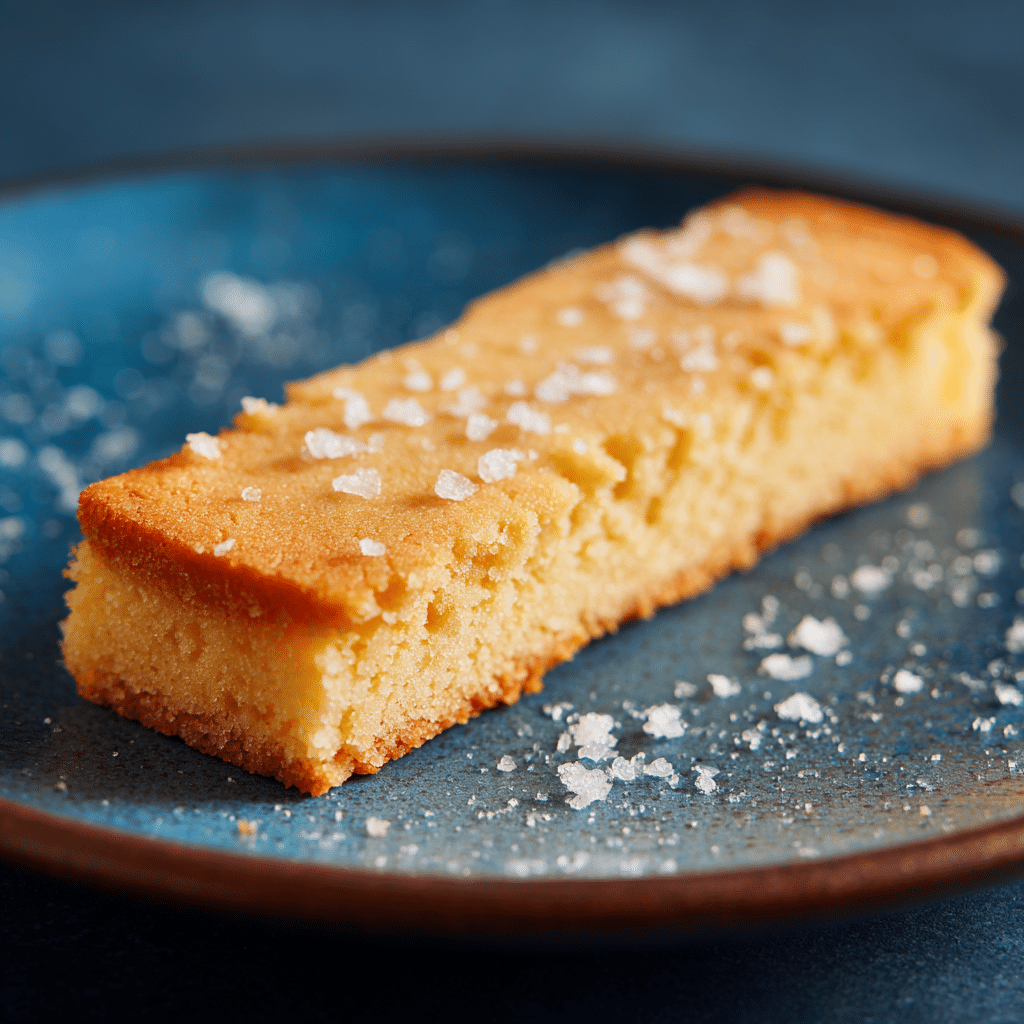
Hello there, friend! Clara here, from Cooking Inspired. I have always found so much simple joy in baking. There is something so special about spending an afternoon in my kitchen, then sharing the treats I’ve made with loved ones. Today, I want to share with you a recipe for buttery shortbread fingers. These classic, melt-in-your-mouth cookies are perfect for any occasion. The best part? This recipe is so simple that it can be ready in under an hour! My buttery shortbread fingers will quickly become a favorite in your household.
Table of contents
Table of Contents
Why You’ll Love This Buttery Shortbread Fingers Recipe
This recipe is truly the best. You’ll love it for so many reasons. I’ve perfected the recipe over years of practice, and I’m sure you’ll agree!
- Quick and easy to make with minimal ingredients.
- Perfectly buttery and melt-in-your-mouth texture.
- A classic recipe that’s always a crowd-pleaser, perfect for morning gatherings.
- Customizable with different shapes and flavors.
What are Buttery Shortbread Fingers?
Buttery shortbread fingers are a traditional Scottish biscuit. They’re known for their delightfully crumbly texture and rich buttery flavor. Of course, you can easily recognize them because of their classic rectangular shape. They have a rich history, and are tradionally used in Scottish celebrations such as Hogmanay.
Ingredients for Buttery Shortbread Fingers
Here’s what you’ll need to make these delicious treats. As always, I’ve kept the ingredients simple and accessible!
- 1 c vegetable shortening (salted, softened (you can use unsalted, which is the norm for baking, but add a good pinch of salt))
- 2 ½ c all-purpose flour
- ½ c sugar
- ½ tsp sugar (to sprinkle on top)
Recommended Equipment
To make these buttery shortbread fingers, I recommend the following equipment:
- Baking pan
- Rolling pin
- Bench scraper or knife
- Fork
- Mixing bowls
How to Make Buttery Shortbread Fingers: Step-by-Step Instructions
Alright, let’s get baking! Follow these simple step-by-step instructions. I’ll guide you through the whole process.
- Heat oven to 375º F (190 ºC). Get that oven preheated and ready to go!
- Start by mixing the vegetable shortening and sugar together, but DO NOT CREAM them (see notes). The vegetable shortening shouldn’t be too soft, but also not straight from the fridge, especially if you use a mixer. This is important for the right texture.
- Add the flour and mix to a stiff consistency. Don’t overwork the dough; stop when it just comes together. That’s it, you’ve just made shortbread dough: I told you it was easy! Overworking the dough will result in a tough shortbread.
- Roll out into the shape of a pan or tin you want to bake them in. I baked this in an 8 x 8 pan. Trim the edges to the approximate size.
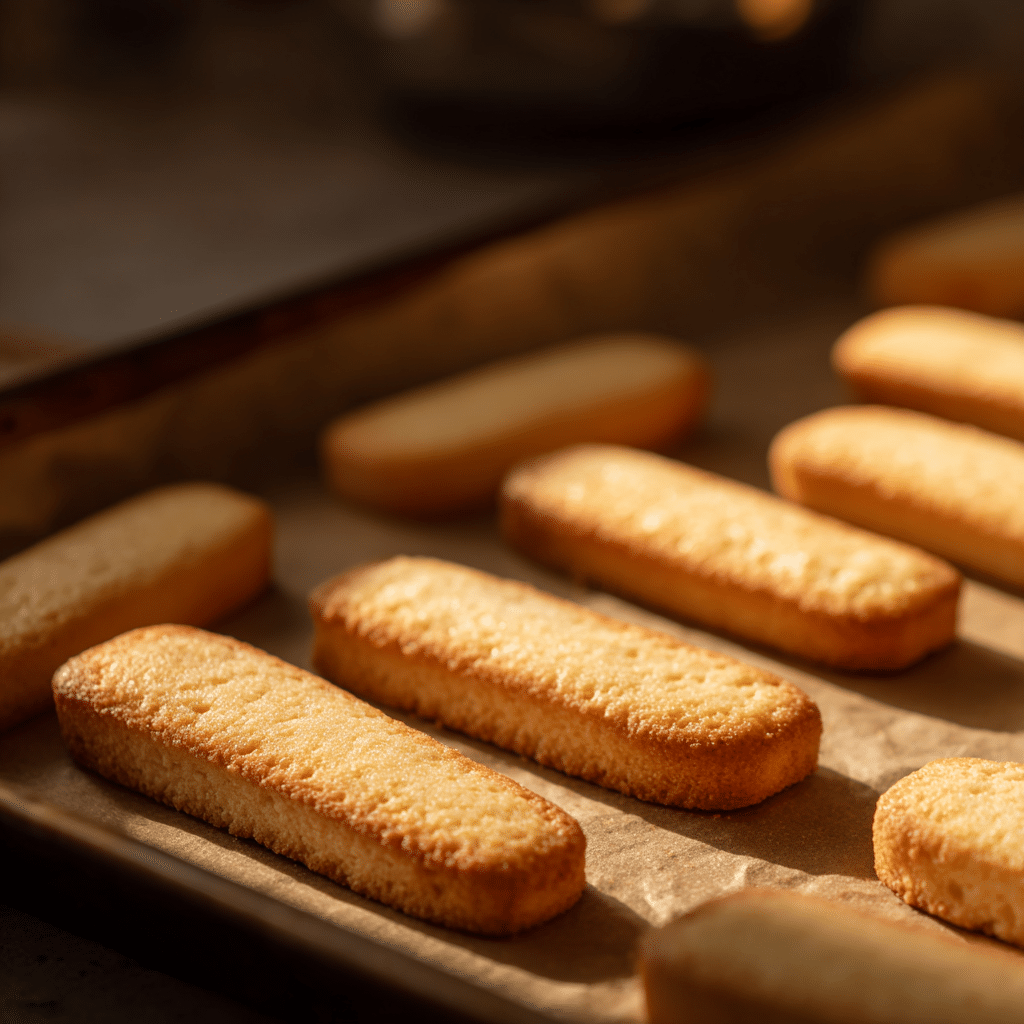
- FINGERS: Place it in the pan of your choice. One mistake many people make is rolling the shortbread too thin. Proper shortbread should be quite thick (no less than 3/4″ or 2cm if making fingers). Tip: make sure your fingers are wide enough that a fork can prick them. Use a bench scraper or knife to cut the dough into fingers. Next, prick the shortbread with a fork, about half way through.
- ROUND: You can also shape the dough into a ball, roll it out into a round, and score into triangles, then prick with a fork.
- MOULD: (brush the mold with a little oil, and sugar first to ensure it comes out nicely). Roll out the dough, place over the mould and roll again to press into it. Remove the excess dough then turn out onto a tray. If your shortbread mould doesn’t have a pretty design, prick it with a fork.
- CUT OUT SHAPES: roll out more thinly (as with sugar cookies) and cut with cookie cutter. Place onto prepared baking sheet and prick evenly.
- Place in preheated oven for 15 to 30 minutes (depending on which thickness or shape) or until slightly brown on edges. Sprinkle with sugar immediately upon removing from the oven. Shortbread shouldn’t be darkly colored. Let your shortbread cool on or in the pan or tray before moving to rack to cool completely.
Shaping Your Buttery Shortbread Fingers (Variations)
Here are some ideas for shaping your shortbread fingers. Remember, you can have fun with this! Let your creativity shine!
Buttery Shortbread Fingers Variations
Here are some delicious variations to try. Don’t be afraid to experiment!
| Variation | Ingredient Adjustments |
|---|---|
| Chocolate Chip | Add 1/2 cup chocolate chips to the dough. |
| Nuts | Add 1/4 cup chopped nuts (walnuts, pecans, almonds). |
| Spices (Cinnamon) | Add 1 teaspoon ground cinnamon to the dough. |
| Spices (Cardamom) | Add 1/2 teaspoon ground cardamom to the dough. |
| Citrus Zest | Add zest of one lemon or orange to the dough. |
Common Mistakes When Making Buttery Shortbread Fingers
Let’s talk about some common mistakes. This will help you avoid potential pitfalls!
Elaborate on common problems like overmixing, using shortening that’s too warm, and baking at the wrong temperature. Provide tips on how to avoid these mistakes.
Tips for the Best Buttery Shortbread Fingers
Here are some of my personal tips. These will help you achieve shortbread perfection!
(Share your personal tips for achieving the perfect buttery, crumbly texture. Focus on details like chilling the dough and using the right type of shortening.)
Serving Suggestions for Buttery Shortbread Fingers
Buttery shortbread fingers are wonderful on their own, but here are some ideas for serving them! You can enjoy them with tea, coffee, or a warm cup of homemade chai. They also pair well with whisky or can be arranged on a dessert board. Consider dipping them in chocolate, or serving them alongside various drinks recipes.
How to Store Buttery Shortbread Fingers
Proper storage is key. Here’s how to keep your shortbread fresh and delicious!
(Provide detailed instructions on how to store the shortbread to maintain its freshness and texture. Include information on storing at room temperature, in the refrigerator, and freezing. How to ship shortbread fingers as a gift?)
Troubleshooting: Fixing Mistakes in Your Buttery Shortbread Fingers
Uh oh, did something go wrong? Don’t worry, here’s how to fix it!
- If your shortbread is too hard: You may have overmixed the dough or baked it for too long.
- If your shortbread is too crumbly: You may have used too much shortening or not enough flour.
Buttery Shortbread Fingers: Substitutions Guide
Need to make a substitution? Here’s a handy guide!
| Ingredient | Substitution Options |
|---|---|
| Shortening | Salted or unsalted butter |
| All-Purpose Flour | Cake flour |
| Vegan | Vegetable oil |
| Butter | Vegetable oil |

Easy Buttery Shortbread Fingers: Perfect Melt-in-Your-Mouth
Ingredients
Equipment
Method
- Heat oven to 375º F (190 ºC). Get that oven preheated and ready to go!
- Start by mixing the vegetable shortening and sugar together, but DO NOT CREAM them (see notes). The vegetable shortening shouldn’t be too soft, but also not straight from the fridge, especially if you use a mixer. This is important for the right texture.
- Add the flour and mix to a stiff consistency. Don’t overwork the dough; stop when it just comes together. That’s it, you’ve just made shortbread dough: I told you it was easy! Overworking the dough will result in a tough shortbread.
- Roll out into the shape of a pan or tin you want to bake them in. I baked this in an 8 x 8 pan. Trim the edges to the approximate size.
- FINGERS: Place it in the pan of your choice. One mistake many people make is rolling the shortbread too thin. Proper shortbread should be quite thick (no less than 3/4″ or 2cm if making fingers). Tip: make sure your fingers are wide enough that a fork can prick them. Use a bench scraper or knife to cut the dough into fingers. Next, prick the shortbread with a fork, about half way through.
- ROUND: You can also shape the dough into a ball, roll it out into a round, and score into triangles, then prick with a fork.
- MOULD: (brush the mold with a little oil, and sugar first to ensure it comes out nicely). Roll out the dough, place over the mould and roll again to press into it. Remove the excess dough then turn out onto a tray. If your shortbread mould doesn’t have a pretty design, prick it with a fork.
- CUT OUT SHAPES: roll out more thinly (as with sugar cookies) and cut with cookie cutter. Place onto prepared baking sheet and prick evenly.
- Place in preheated oven for 15 to 30 minutes (depending on which thickness or shape) or until slightly brown on edges. Sprinkle with sugar immediately upon removing from the oven. Shortbread shouldn’t be darkly colored. Let your shortbread cool on or in the pan or tray before moving to rack to cool completely.
Notes
Frequently Asked Questions
What makes shortbread crumbly?
The high fat content from butter or shortening and the lack of leavening agents create a crumbly texture. Minimal mixing also helps maintain this texture.
What is shortbread made of?
Shortbread is typically made with butter (or shortening), sugar, and flour, sometimes with a pinch of salt. No leavening agents are used, which gives it its signature crumbly texture.
Why is my shortbread hard?
Shortbread can become hard if it is overmixed, baked too long, or if the fat used is too warm. Chilling the dough before baking can help prevent hardness.
How long does shortbread last?
Properly stored in an airtight container at room temperature, shortbread can last up to 2 weeks. It can also be frozen for up to 3 months.
Can I use a hand mixer?
Yes, a hand mixer works well for combining the ingredients, but avoid overmixing to maintain the crumbly texture.
How do I prevent the shortbread from spreading?
Chill the dough before baking and make sure your fat is not too soft. Avoid overmixing and roll the dough to the correct thickness.
Can I freeze the shortbread? Dough or baked product?
Yes, both the dough and baked shortbread can be frozen. Wrap tightly in plastic and store in an airtight container. Thaw at room temperature before baking or serving.
Conclusion
And there you have it! My simple, delicious recipe for buttery shortbread fingers. I know you’ll love how easy and satisfying these cookies are. Now, I’d love to hear from you! Leave a comment below, ask a question, or share your results. Happy baking!