
Hey there, Clara here! I remember the first time my family and I gathered around the smoker, the air thick with anticipation and the promise of a delicious meal. The smoky aroma, the laughter, the shared stories, these are the moments that make life truly special. Smoker recipes have a unique way of bringing people together, creating lasting memories with every savory bite.
Whether you’re a seasoned pitmaster or just starting out, smoking adds an incredible depth of flavor that you simply can’t achieve any other way. I’m so excited to share a wide range of smoker recipes with you, suitable for all skill levels. So fire up that smoker, and let’s get cooking!
Table of contents
Table of Contents
Why You’ll Love These Smoker Recipes
Here’s why I think you’ll absolutely fall in love with smoker recipes:
- Unforgettable Smoky Flavor: Smoking infuses food with a rich, complex flavor that’s simply irresistible.
- Perfect for Entertaining: Impress your guests with mouthwatering, show-stopping dishes that are sure to be a hit.
- Effortless Impressiveness: Achieve incredible results with minimal hands-on effort, letting the smoker do most of the work.
- Endless Variety: From meats to veggies, appetizers to desserts, the possibilities for smoker recipes are truly endless.
Essential Tools and Equipment for Smoker Recipes
To get started with smoker recipes, you’ll need a few essential tools and pieces of equipment. Let’s talk smokers, thermometers, and wood!
- Pellet Smokers: These are incredibly user-friendly, maintaining consistent temperatures with ease. The downside? They rely on electricity.
- Charcoal Smokers: Charcoal smokers offer that classic smoky flavor. They require more hands-on management to control temperature.
- Electric Smokers: A budget-friendly option, electric smokers are easy to use but might not deliver the same intense smoky flavor as other types.
- Thermometers: A reliable meat thermometer is crucial for ensuring your food is cooked to the perfect temperature.
- Wood Chips/Chunks: Different wood types impart unique flavors to your smoker recipes. I will cover this more below!
Ready to stock up? Head over to Cooking Inspired’s recommended products page for my tried-and-true favorites.
Understanding Wood Types for Smoker Recipes
The type of wood you use can significantly impact the flavor of your smoker recipes. Each wood has its own unique profile, so choosing the right one is key.
| Wood Type | Flavor Profile | Pairs Well With |
|---|---|---|
| Hickory | Strong, | beef, poultry |
| Oak | Medium, classic smoky | Beef, lamb, game |
| Mesquite | Bold, earthy | Beef, poultry, vegetables |
| Apple | Sweet, fruity | poultry, seafood |
| Cherry | Mild, sweet | poultry, beef |
Poor Man’s Burnt Ends: A Delicious Smoker Recipe
Today, I’m sharing one of my all-time favorite smoker recipes: Poor Man’s Burnt Ends. This recipe is an affordable and seriously flavorful alternative to traditional brisket burnt ends.
These little cubes of smoky, tender beef are melt-in-your-mouth delicious. They have a caramelized bark and a rich, savory flavor that’s simply irresistible. I promise, you won’t be able to stop eating them!
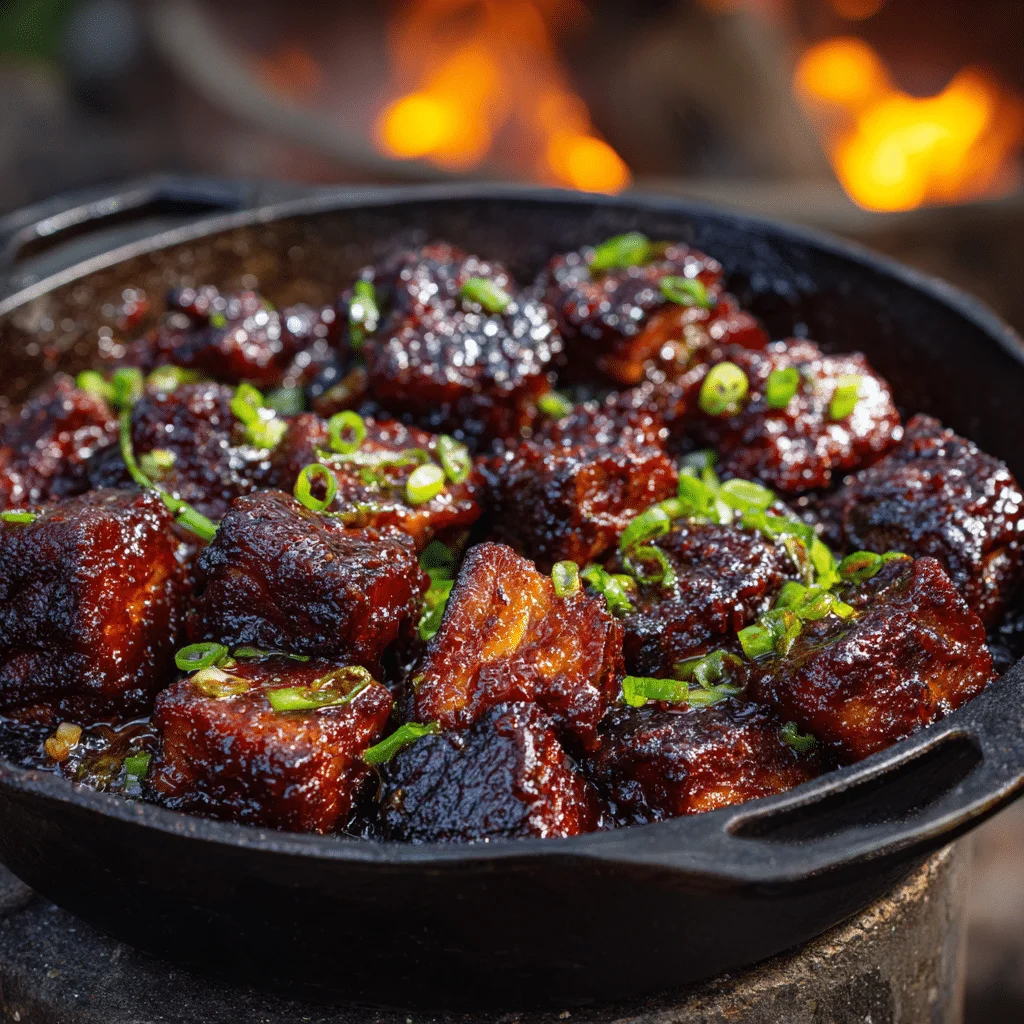
Fantastic Smoker Recipes You’ll Love
Ingredients
Equipment
Method
- Preheat. Preheat your smoker for indirect grilling at 275 degrees F. I like to use hickory or oak wood for the most complementary smoke flavor.
- Season. Slather the chuck roast with yellow mustard then season liberally on all sides with Hey Grill Hey Beef Rub or equal parts salt, pepper, and garlic powder.
- Smoke. When your smoker is up to temperature, place the seasoned roast on the smoker and close the lid. Smoke the roast until the internal temperature reaches 165 degrees F (this took 5 hours on my smoker). You should have a fairly nice dark bark on the exterior of your roast at this point.
- Wrap. Remove the roast from the grill and wrap it in either butcher paper or foil. Return the roast to the grill and continue smoking until the meat reaches an internal temperature of 195 degrees F (this took just over 1 hour).
- Rest and cut. Remove the wrapped roast from the grill and allow to rest for 15-20 minutes. Cut into 3/4 inch cubes and transfer to a foil baking pan.
- Add sauce. Sprinkle with 1/4 cup brown sugar and drizzle with most of the Everything BBQ sauce, reserving a couple of tablespoons for later. Toss gently to coat all of the pieces in a little of the sauce.
- Finish smoking. Place the pan on the grill, close the lid and cook for an additional 1 1/2 to 2 hours, or until the sauce is bubbly and the cubed bits of beef are falling apart tender.
- Enjoy. Sprinkle with the additional 2 Tablespoons of brown sugar and the remaining BBQ sauce. stir gently and return to the grill for just a few more minutes until everything is well incorporated. Serve hot as a main course or on white bread/buns with pickles and white onions.
Notes
Ingredients for Poor Man’s Burnt Ends
Here’s what you’ll need to make these delectable Poor Man’s Burnt Ends:
- 3 pounds chuck roast
- 2 Tablespoons yellow mustard
- 3 Tablespoons Hey Grill Hey Beef Rub (or 1 Tablespoon each coarse salt, ground black pepper, and garlic powder)
- ½ cup Hey Grill Hey Everything BBQ Sauce (or your favorite ketchup-based BBQ sauce)
- ¼ cup brown sugar
- 2 Tablespoons brown sugar
Step-by-Step Instructions for Poor Man’s Burnt Ends
Follow these easy steps, and you’ll be enjoying the best Poor Man’s Burnt Ends in no time!
- Preheat. Preheat your smoker for indirect grilling at 275 degrees F. I like to use hickory or oak wood for the most complementary smoke flavor.
- Season. Slather the chuck roast with yellow mustard then season liberally on all sides with Hey Grill Hey Beef Rub or equal parts salt, pepper, and garlic powder.
- Smoke. When your smoker is up to temperature, place the seasoned roast on the smoker and close the lid. Smoke the roast until the internal temperature reaches 165 degrees F (this took 5 hours on my smoker). You should have a fairly nice dark bark on the exterior of your roast at this point.
- Wrap. Remove the roast from the grill and wrap it in either butcher paper or foil. Return the roast to the grill and continue smoking until the meat reaches an internal temperature of 195 degrees F (this took just over 1 hour).
- Rest and cut. Remove the wrapped roast from the grill and allow to rest for 15-20 minutes. Cut into 3/4 inch cubes and transfer to a foil baking pan.
- Add sauce. Sprinkle with 1/4 cup brown sugar and drizzle with most of the Everything BBQ sauce, reserving a couple of tablespoons for later. Toss gently to coat all of the pieces in a little of the sauce.
- Finish smoking. Place the pan on the grill, close the lid and cook for an additional 1 1/2 to 2 hours, or until the sauce is bubbly and the cubed bits of beef are falling apart tender.
- Enjoy. Sprinkle with the additional 2 Tablespoons of brown sugar and the remaining BBQ sauce. stir gently and return to the grill for just a few more minutes until everything is well incorporated. Serve hot as a main course or on white bread/buns with pickles and white onions.

Pro Tips for Perfect Poor Man’s Burnt Ends
Here are a few extra tips to help you achieve smoking perfection:
- Maintain a Consistent Temperature: Aim for a steady smoker temperature of 275 degrees F. This will ensure even cooking and prevent the meat from drying out.
- Choose the Right Cut of Meat: Chuck roast is ideal for this recipe because it’s well-marbled and becomes incredibly tender when smoked low and slow.
- Achieve Optimal Bark Formation: Don’t be afraid to let the chuck roast develop a nice, dark bark before wrapping. The bark is where a lot of the flavor comes from!
- Be Patient: Smoking takes time, so resist the urge to rush the process. The longer the meat smokes, the more tender and flavorful it will become.
Recipe Variations for Smoker Recipes
Want to mix things up a bit? Here are some fun variations on the Poor Man’s Burnt Ends recipe:
| Variation | Rub | Sauce | Wood Pairing |
|---|---|---|---|
| Spicy | Chili powder, cayenne pepper | Hot BBQ sauce | Mesquite |
| Sweet | Brown sugar, cinnamon | Maple syrup-based BBQ sauce | Apple |
| Savory | Garlic powder, onion powder | Worcestershire sauce-based BBQ sauce | Oak |
You can also adjust the recipe for different smoker types. For pellet smokers, simply set the temperature to 275 degrees F and let the smoker do its thing. For charcoal smokers, maintain a consistent temperature by adding charcoal as needed. For electric smokers, follow the manufacturer’s instructions for temperature control.
Other Delicious Smoker Recipes to Try
Ready to explore more smoker recipes? Here are some of my favorites, categorized for easy browsing:
- Beef: Brisket, Ribs, Tri-Tip, and for another cozy, hearty option, consider our Slow Cooker Beef Tips with White Beans and Spinach
- Chicken: Whole Chicken, Wings, Thighs
- Seafood: Salmon, Shrimp
- Sides: Mac and Cheese, Baked Beans, Cornbread
- Appetizers: Jalapeno Poppers, Smoked Cream Cheese
Troubleshooting Common Smoking Problems
Even the most experienced smokers encounter problems from time to time. Here are some common issues and how to solve them:
- Meat Drying Out: Use a water pan in your smoker to add moisture, baste the meat with a flavorful liquid, or wrap it in butcher paper or foil.
- Over-Smoking: Avoid using too much wood or smoking for too long. If the meat tastes too smoky, try letting it air out for a few hours.
- Uneven Cooking: Ensure your smoker is maintaining a consistent temperature and airflow. Rotate the meat as needed.
- Temperature Fluctuations: Use a reliable thermometer to monitor the temperature and adjust the vents as needed to stabilize the smoker.
Storing and Reheating Smoked Foods
To properly store smoked foods, allow them to cool completely before wrapping them tightly in plastic wrap or placing them in an airtight container. Store in the refrigerator for up to 3-4 days.
To reheat smoked foods, preheat your oven to 250 degrees F. Place the smoked food in a baking dish with a little bit of liquid (such as broth or water) and cover with foil. Reheat until warmed through, about 20-30 minutes. These flavorful smoked leftovers are perfect for delicious lunches the next day.
Serving Suggestions for Smoker Recipes
Smoked foods pair well with a variety of complementary dishes and sides. Some of my favorites include:
- Salads: Coleslaw, potato salad, macaroni salad
- Vegetables: Grilled corn on the cob, roasted vegetables, baked beans
- Sauces: BBQ sauce, horseradish sauce, chimichurri
The Science Behind Smoking
Smoking is a low and slow cooking method that allows the meat to break down and become incredibly tender. The low temperature also allows the smoke to penetrate the meat, infusing it with flavor.
The Maillard reaction, a chemical reaction between amino acids and reducing sugars, is responsible for the browning and flavor development that occurs during smoking. The smoke itself contains hundreds of different compounds that contribute to the unique flavor of smoked meat.
Cleaning and Maintaining Your Smoker
Properly cleaning and maintaining your smoker is essential for ensuring its longevity and performance. Here are some general tips:
- Pellet Smokers: Clean the burn pot regularly and vacuum out any ash.
- Charcoal Smokers: Remove ashes after each use and clean the grates with a wire brush.
- Electric Smokers: Clean the heating element and drip pan regularly.
Frequently Asked Questions About Smoker Recipes
What is the best wood to use for smoking?
It depends on the type of meat you’re smoking and your personal preferences. Hickory is a good all-around choice for beef, while apple is great for poultry and seafood.
How long does it take to smoke [specific meat]?
Smoking times vary depending on the type and size of the meat, as well as the smoker temperature. A general rule of thumb is to allow 1-2 hours per pound.
What temperature should my smoker be?
The ideal smoker temperature is typically between 225-275 degrees F.
How do you keep meat moist when smoking?
Use a water pan in your smoker, baste the meat with a flavorful liquid, or wrap it in butcher paper or foil.
Is it better to wrap meat when smoking?
Wrapping meat can help to keep it moist and tender, as well as speed up the cooking process. However, it can also soften the bark.
What are some easy things to smoke?
Chicken wings, salmon, and cream cheese are all relatively easy things to smoke.
Conclusion
I hope this article has inspired you to fire up your smoker and try some new smoker recipes! Smoking is a fantastic way to add depth and complexity to your cooking, and it’s a great way to bring friends and family together. I know you can do it!
Now, I want to hear from you! What are your favorite smoker recipes? Do you have any tips or tricks to share? Leave a comment below, ask a question, or share photos of your creations. And don’t forget to subscribe to Cooking Inspired for more delicious smoker recipes! Happy smoking!